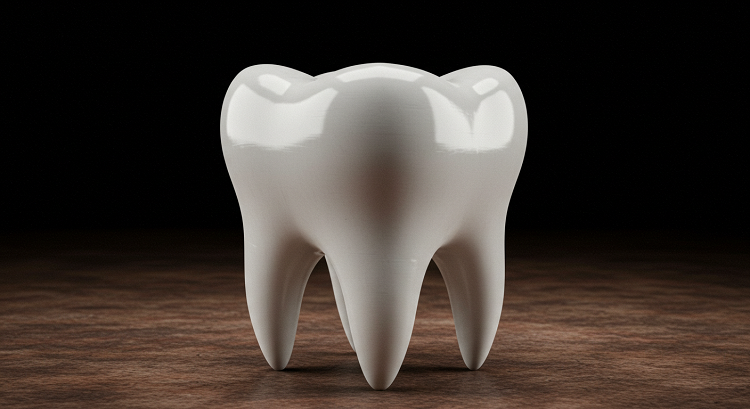
Losing a tooth isn’t just about a gap in your smile. It can actually mess with a bunch of things that most people don’t think about until it happens. Eating your favorite food can suddenly feel weird or uncomfortable. Talking clearly might get harder. And let’s be honest—many people feel a little embarrassed about smiling when there’s a tooth missing.
Some folks might try to hide their smile or chew only on one side of their mouth. Over time, that can cause more problems. Teeth start to shift around to fill the space, which can change how your bite fits together. That could lead to jaw pain, more wear on other teeth, or even more tooth loss.
It’s not just about looks—it’s about function, health, and feeling good in everyday life.
A Simple Fix That Feels Like the Real Thing
One of the best ways to fix a missing tooth is with a dental implant. This isn’t just a fake tooth that sits on the gums. A dental implant actually replaces the root of the tooth that used to be there. A tiny metal post, usually made of titanium, is placed into the jawbone. Over a few months, the bone grows around it, holding it in place. Then, a crown is added on top that looks and feels like a real tooth.
The cool thing about implants is they work just like natural teeth. You can bite, chew, talk, and smile without worrying about it slipping or falling out. And because they’re so secure, they help stop bone loss in the jaw, which is something that often happens after a tooth goes missing.
People in the area who are looking into this kind of solution can check out Implant Smiles in St. Louis to see how the process works and what kind of results to expect.
Why People Choose Implants Over Other Options
There are a few ways dentists can fill a gap when a tooth goes missing. Dentures and bridges are two common options. Dentures sit on the gums and can be removed, while bridges are attached to nearby teeth. Both can work, but they don’t offer the same long-term strength and natural feel as implants.
Dental implants stay in place permanently. That means no adhesives, no slipping around, and no need to remove them at night. Plus, they don’t rely on nearby teeth for support, which keeps the rest of the mouth healthier in the long run.
And the best part? Once an implant is in and healed, it barely needs any extra care. Brushing, flossing, and regular check-ups are enough to keep it looking and working great for years—sometimes even a lifetime.
Are Implants Safe for Everyone?
Most people can get dental implants, but a dentist still needs to check first. A healthy mouth and enough bone in the jaw are important. If there isn’t enough bone, sometimes a procedure called bone grafting can help build it up. People who smoke or have certain medical issues might need extra care or healing time, but that doesn’t always mean they can’t get implants.
Dentists usually do X-rays and exams to make sure everything looks good before starting. They’ll also talk through the plan step by step so there aren’t any surprises.
It’s not a one-size-fits-all thing, but implants can be adjusted to match each person’s needs.
What to Expect During the Process
The whole process takes a few months, but most of that time is for healing. Here’s a basic idea of how it works:
First, the dentist places the metal post into the jawbone. That part usually takes about an hour or two and is done with local numbing. Then comes the healing stage, where the bone and implant join together. This part can take a few months but doesn’t usually hurt after the first few days.
Once everything is healed and strong, the dentist adds the crown on top. That’s the part people see—and it looks just like a real tooth. In the end, most people can’t even tell which one is the implant.
The whole thing feels very natural and blends in with the rest of the mouth.
How Dental Implants Help in the Long Run
Besides helping with chewing and talking, implants protect the jawbone. When a tooth is missing, the bone in that spot starts to shrink over time. That’s because the root is no longer sending signals to the bone, which tells it to stay strong. Implants fix that by replacing the root and keeping the bone healthy.
Also, implants stop nearby teeth from moving into the empty space. That keeps the bite aligned and prevents bigger problems later. People with implants often find that they don’t need as many future dental fixes because the implant holds everything in place.
It’s more than just a replacement—it’s prevention for future trouble.
How Long Do Implants Last?
One of the best things about implants is how long they last. With good care, they can stick around for decades. Some people even have theirs for life. They don’t get cavities like regular teeth, but the gums and bone around them still need care, so brushing and flossing are super important.
Regular dentist visits also help catch any issues early. But overall, implants are known for being one of the longest-lasting dental fixes out there.
What About Kids or Teens?
Implants aren’t usually done for kids or teens because their bones are still growing. But for adults and older teens who are fully developed, implants can be a great choice. Sometimes dentists use a temporary fix until the jaw is done growing, then place an implant later on.
It all depends on age, health, and how the mouth is developing. That’s why a dentist’s advice is really important before making any decisions.
Quick Recap Before You Go
Losing a tooth isn’t the end of the world, and it doesn’t have to be something to hide. Dental implants are a strong, natural-looking fix that can help people smile, eat, and speak with confidence again. They stay in place, protect the jawbone, and last for years.
Whether it’s from an accident, decay, or something else, missing a tooth doesn’t have to mean missing out. With the right care and the right treatment, any smile can make a real comeback.
Got questions or thinking about it for yourself or someone else? A good first step is a simple visit to a dentist who does implants. That one step could lead to years of feeling better, eating better, and smiling brighter.